Collection: زيوت عطرية - عضوية
اكتشف مجموعة كبيرة من الزيوت الأساسية العضوية المعتمدة العضوية حقًا - من البذور إلى الزراعة والمعالجة والتعبئة والتغليف. الزيوت العطرية من أروما تييرا نقية 100٪ وطبيعية وغير مخففة وعلاجية وخالية من الإضافات. لقد أكسبنا التزامنا بالجودة عملاء سعداء وأوسمة مثل "جائزة أفضل منتجات العلاج العطري"! p>
-
زيت الكزبرة العضوي العطري (بذور) - 100% نقي وطبيعي
Regular price From AED 99Regular priceUnit price / perSale price From AED 99 -
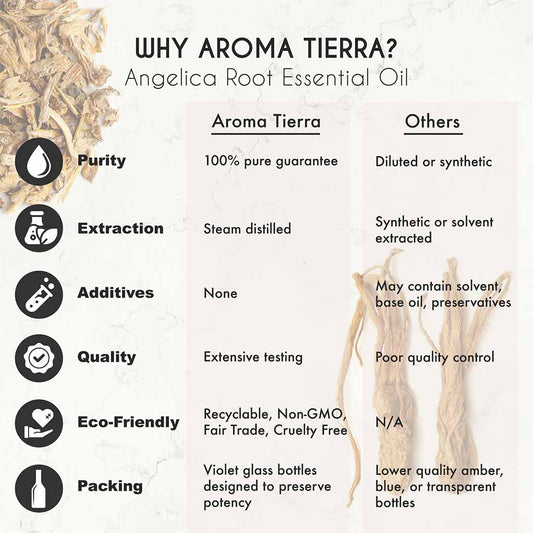
زيت جذر الأنجليكا العضوي - 100% نقي وطبيعي
Regular price From AED 275Regular priceUnit price / perSale price From AED 275 -
زيت المليسا العضوي العطري (بلسم الليمون) – 100% نقي وطبيعي
Regular price From AED 275Regular priceUnit price / perSale price From AED 275 -
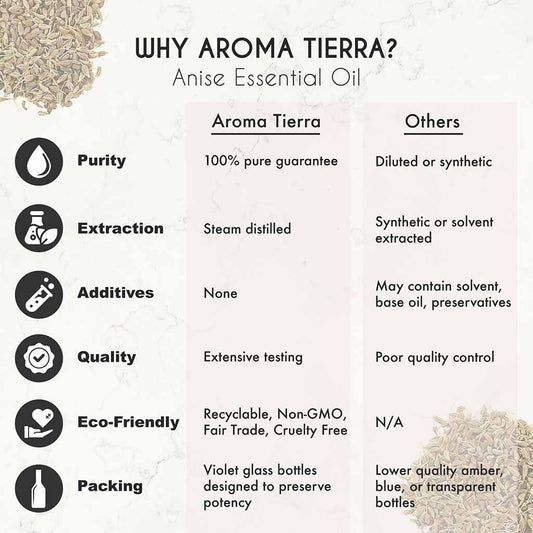
زيت اليانسون العضوي العطري (بذور اليانسون، أنيس) - 100% نقي وطبيعي
Regular price From AED 99Regular priceUnit price / perSale price From AED 99 -
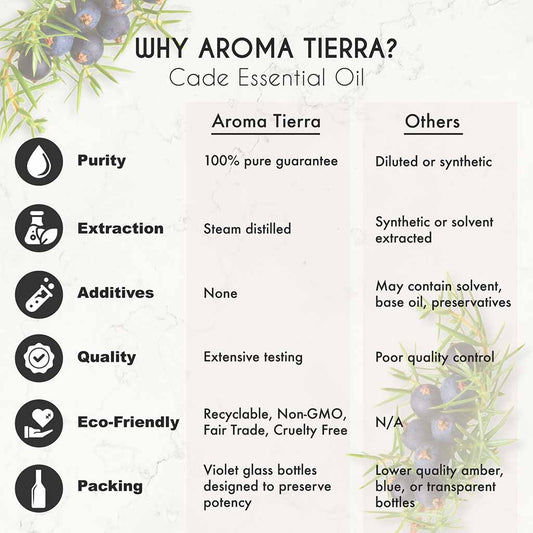
زيت الكاد العضوي العطري (مكرر) - 100% نقي وطبيعي
Regular price From AED 99Regular priceUnit price / perSale price From AED 99 -
زيت الهيصوب العضوي العطري - 100% نقي وطبيعي
Regular price From AED 99Regular priceUnit price / perSale price From AED 99 -
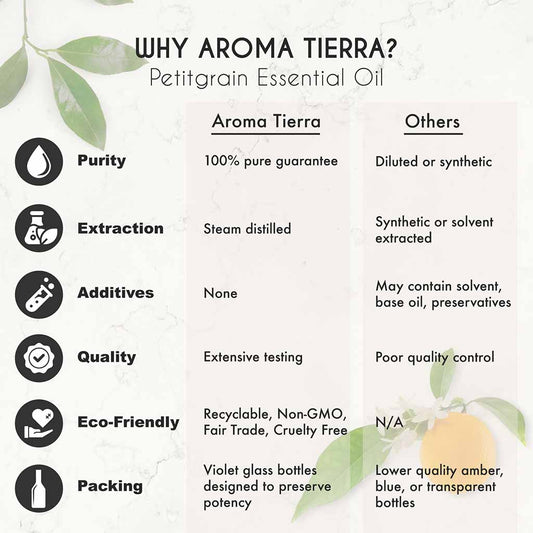
زيت البيتيغرين العضوي العطري - 100% نقي وطبيعي
Regular price From AED 69Regular priceUnit price / perSale price From AED 69 -
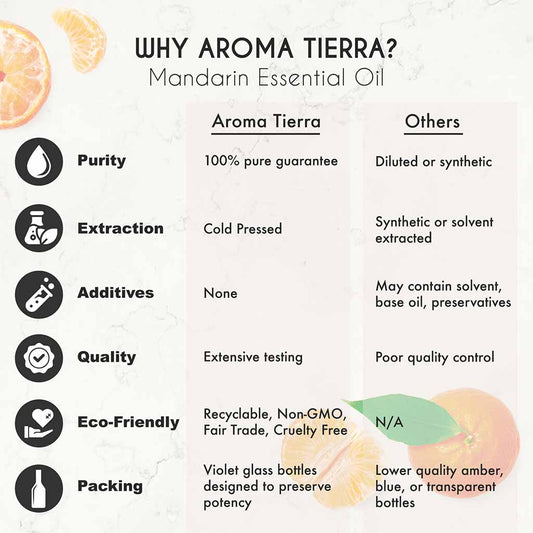
زيت اليوسفي العضوي الأساسي - 100% نقي وطبيعي
Regular price From AED 69Regular priceUnit price / perSale price From AED 69 -
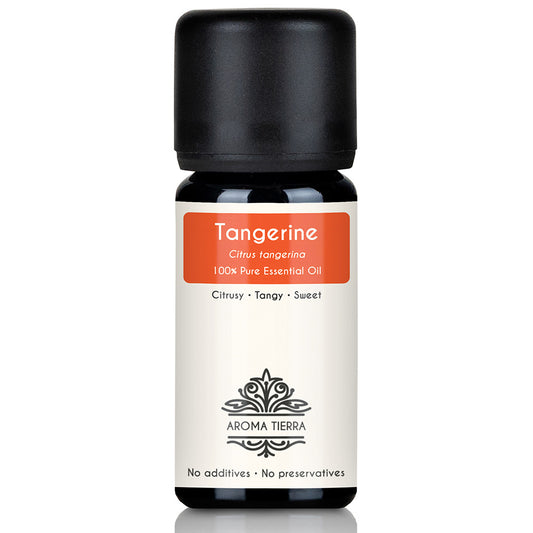
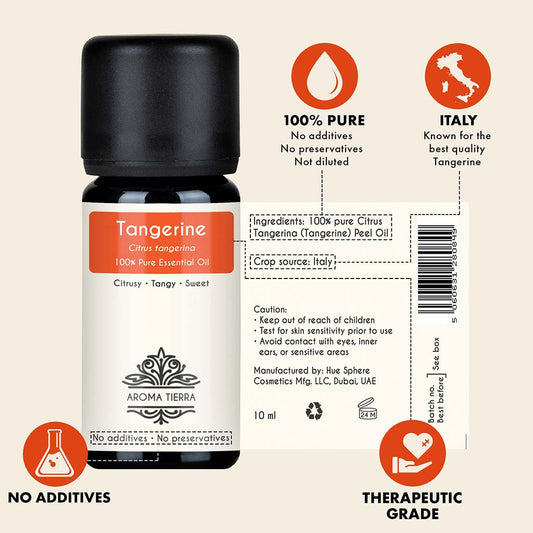
زيت اليوسفي العطري - 100% نقي وطبيعي
Regular price From AED 69Regular priceUnit price / perSale price From AED 69 -
زيت الشتاء الأخضر العضوي الأساسي - 100% نقي وطبيعي
Regular price From AED 69Regular priceUnit price / perSale price From AED 69 -
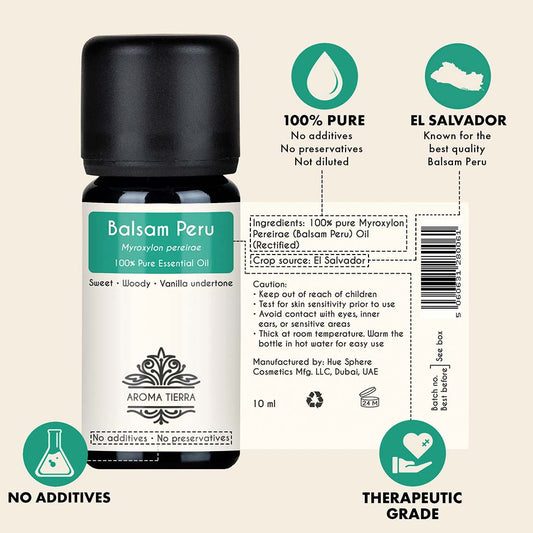
زيت البلسم العطري (بلسم بيرو) - 100% نقي وطبيعي
Regular price From AED 85Regular priceUnit price / perSale price From AED 85 -
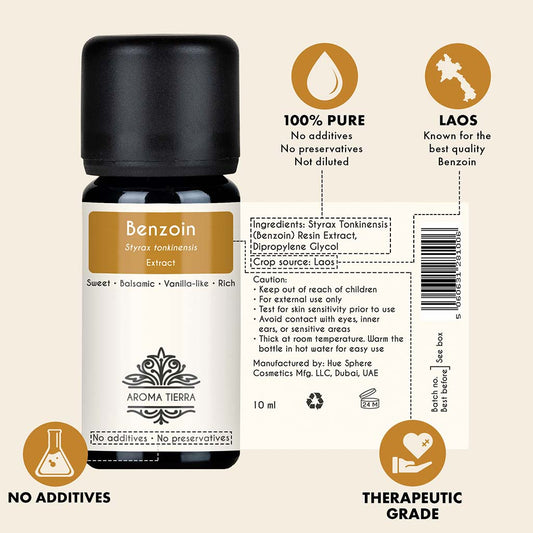
مستخلص زيت البنزوين العطري - 100% طبيعي نقي
Regular price From AED 69Regular priceUnit price / perSale price From AED 69 -
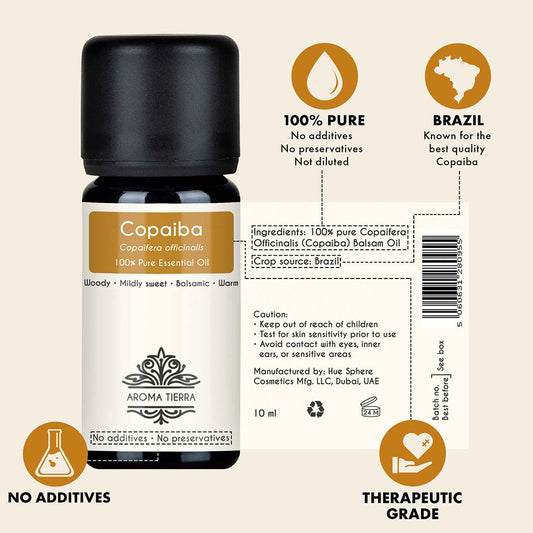
زيت كوبايا العطري (بلسم كوبايا) - 100% طبيعي نقي
Regular price From AED 69Regular priceUnit price / perSale price From AED 69Sold out -
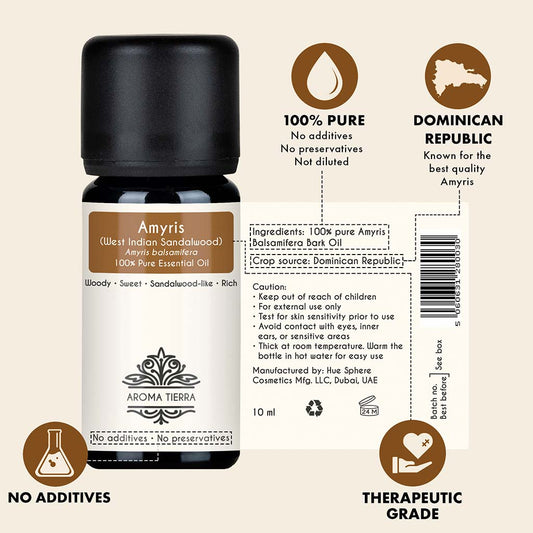
زيت الأميْريس العطري (خشب الصندل الهندي الغربي) - 100% نقي
Regular price From AED 69Regular priceUnit price / perSale price From AED 69 -
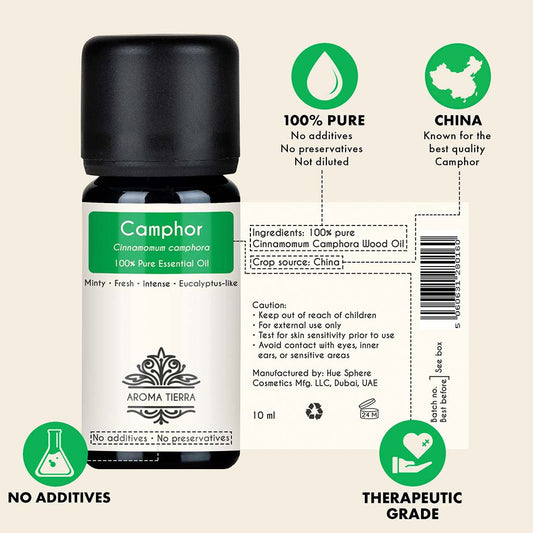
زيت الكافور العطري - 100% نقي وطبيعي
Regular price From AED 69Regular priceUnit price / perSale price From AED 69 -
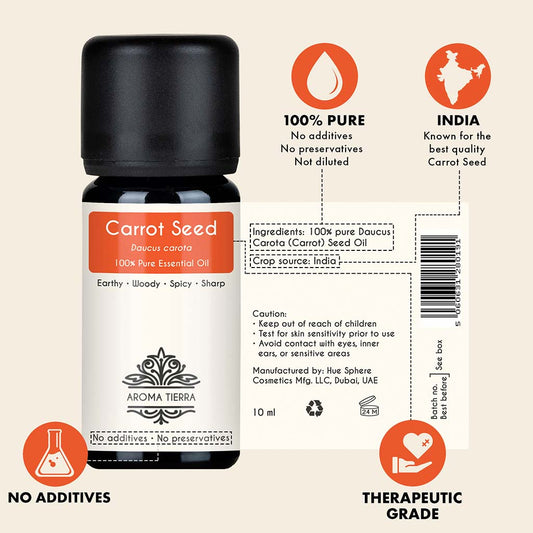
زيت بذور الجزر الأساسي - 100% نقي وطبيعي
Regular price From AED 85Regular priceUnit price / perSale price From AED 85 -
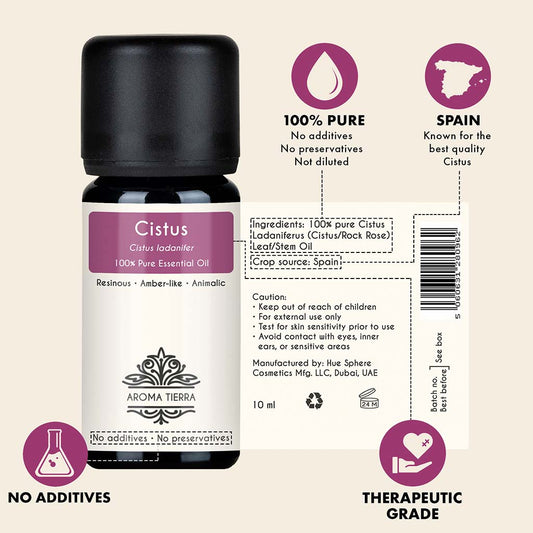
زيت السيستوس العطري (زهرة الصخر) - 100% طبيعي نقي
Regular price From AED 175Regular priceUnit price / perSale price From AED 175 -
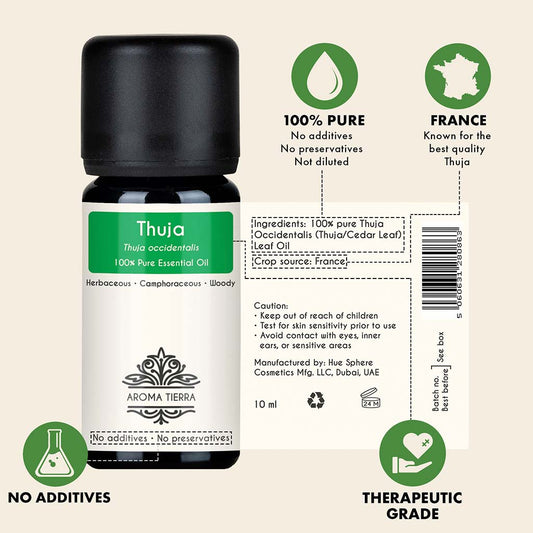
زيت الثوجا (ورق الأرز) - 100% نقي وطبيعي
Regular price From AED 85Regular priceUnit price / perSale price From AED 85
How to use Essential Oils?
Essential Oils are priceless elixirs from nature that offer a wide range of therapeutic and medicinal benefits, including relaxation, anxiety relief, sleep aid, skincare, haircare, and wellness. As these are highly concentrated liquids, proper care needs to be taken while using them. Check out our guide to learn how to use these oils safely, and harness the maximum benefits.
There are several ways to use Essential Oils. The most common way is to inhale them, either from the bottle or by rubbing a drop in your palm. You can also diffuse them in your room or office. These can also be applied topically after proper dilution in a Carrier Oil or cream, and some of these can be taken internally in appropriate dosage.
FAQs
What are essential oils and how are they made?
Essential oils are highly concentrated natural plant extracts that capture the scent, flavour, and therapeutic properties of their source plant. They are produced by steam distilling plant material — leaves, flowers, bark, roots, or rinds — until the volatile aromatic compounds are separated and collected as a pure oil. Citrus oils like Lemon and Orange are cold-pressed directly from the fruit peel. The result is a potent, undiluted extract that is far more concentrated than the original plant.
What is steam distillation and how is it used to extract essential oils?
Steam distillation is the most widely used method for extracting essential oils from plants. Plant material — flowers, leaves, bark, roots, or seeds depending on the species — is placed in a distillation chamber. Steam is then passed through the plant material at controlled temperature and pressure, causing the aromatic compounds in the plant cells to vaporise. This vapour — a mixture of steam and essential oil —travels through a cooling tube where it condenses back into liquid. Because essential oils do not mix with water, the two separate naturally: the essential oil floats on top and is collected, while the remaining water — known as a hydrosol or floral water — is collected separately and also has therapeutic uses.
Steam distillation is preferred for most essential oils because it extracts the volatile aromatic compounds without using chemical solvents, preserving the natural integrity of the oil. The temperature and duration of distillation must be carefully controlled — too high or too long and delicate aromatic compounds can be damaged or altered, affecting both the scent and therapeutic properties of the final oil.
Not all oils can be steam distilled. Citrus oils such as Lemon, Orange, and Bergamot are typically cold-pressed from the peel, as their aromatic compounds are too delicate for heat. Absolutes such as Jasmine and Rose absolute are solvent-extracted, as the flowers would be destroyed by steam before their scent compounds could be released. These distinctions are worth knowing when evaluating an essential oil label — the extraction method should always be stated.
What does 'cold pressed' mean for essential oils?
Cold pressing is an extraction method where the plant material is mechanically pressed under controlled low temperatures to release its oil, with no heat applied. This preserves the oil's natural chemical profile, nutrients, and aroma more fully than heat-based methods. Cold pressing is used primarily for citrus oils — Lemon, Orange, Bergamot, Grapefruit, Mandarin and Tangerine — where the oil is contained in the fruit's outer rind. Steam distillation is used for all other plant types including flowers, leaves, bark, and roots.
How do essential oils work?
Essential oils work by interacting with the brain's limbic system — the area responsible for emotions, memory, and hormonal responses — through the sense of smell. When inhaled, scent molecules travel from the nose's olfactory nerves directly to the brain, triggering physical and emotional responses almost instantly. When applied to the skin (diluted in a carrier oil), the small molecules are absorbed into the bloodstream and distributed throughout the body, offering localised and systemic benefits.
What is the difference between essential oils and fragrance oils?
Essential oils and fragrance oils may smell similar in a bottle, but they are fundamentally different products with different origins, compositions, and effects on the body.
Essential oils are 100% natural extracts obtained directly from plant material — flowers, leaves, bark, roots, resin, or peel — through steam distillation, cold pressing, or CO2 extraction. Because they retain the full chemical complexity of the plant, they carry genuine therapeutic properties: calming the nervous system, supporting skin health, reducing inflammation, promoting sleep, and more. The scent of a pure essential oil is multi-layered and evolving — it smells like the living plant, not a flat single-note recreation of it.
Fragrance oils are synthetic aromatic compounds manufactured in a laboratory to replicate a scent. Some are entirely synthetic; others are a blend of synthetic chemicals with a small percentage of natural material. Either way, they are designed purely for smell — they contain no plant actives, no therapeutic compounds, and carry no wellness benefits. Many fragrance oils contain parabens, phthalates, synthetic musks, and other chemical stabilisers that allow the scent to be produced cheaply and consistently at scale. These compounds are known skin sensitisers and potential endocrine disruptors, particularly with repeated topical use or prolonged inhalation.
Fragrance oils are significantly cheaper to produce than genuine essential oils, which is why they are widely used in candles, room sprays, synthetic perfumes, and low-cost "aromatherapy" products. A bottle labelled "lavender fragrance oil" may cost a fraction of genuine Lavender essential oil — but it will not offer the same calming, sleep-supporting, or skin-soothing properties. It is a scent, not an active botanical ingredient.
All Aroma Tierra oils are 100% pure essential oils — never synthetic, never diluted, and never blended with fragrance compounds.
What is the difference between organic and non-organic essential oils? Which one should I buy?
Both Aroma Tierra organic and natural (non-organic) essential oils are 100% pure, undiluted, plant-based, and retain the full therapeutic properties of the plant. The difference lies purely in how the crop was farmed — not in the purity of the oil itself.
Organic essential oils are extracted from crops grown under certified organic farming conditions — no synthetic pesticides, herbicides, chemical fertilisers, or GMO seeds. The farming is verified and certified by an accredited organic authority. Non-organic (natural) essential oils are extracted from conventionally farmed crops, where pesticide use is not restricted in the same way.
This distinction matters because essential oils are highly concentrated extracts — if pesticide residues are present in the crop, they can concentrate in the final oil. Think of it the same way you would an organic apple versus a conventional apple at the supermarket: both are real apples, but one comes with the assurance of pesticide-free farming.
Aroma Tierra strives to offer most oils in the organic range. However, some plants are not economically viable to grow organically — for example, Rose is exceptionally expensive to cultivate at scale under organic certification. Others, like Sandalwood and Oud, have been harvested for over 40 years from established sources that predate modern organic farming standards. A selection of oils is available in both ranges — including Lavender, Rosemary, Peppermint, Chamomile, and Rose — so you can choose the grade that suits you. If purity from farm to bottle matters most to you, choose organic. If you're looking for therapeutic-grade natural oils at a more accessible price point, our natural range delivers the same plant actives.
Are Aroma Tierra essential oils only for use in a diffuser?
No — Aroma Tierra essential oils are versatile and can be used in many ways beyond a diffuser. Diffusing is simply the most common starting point for beginners. Here are the main ways to use essential oils:
Aromatherapy & Diffusing — Add to an ultrasonic diffuser, nebulizer, or candle burner to fill a space with therapeutic aroma for relaxation, focus, sleep, or mood support.
Skincare — Dilute in a carrier oil such as Rosehip, Prickly Pear, Jojoba, Almond, or Argan and apply to the face or body to target concerns like acne, dryness, ageing, or uneven skin tone. Always use a 1% dilution for the face and 2% for the body.
Hair & Scalp Care — Mix into a carrier oil such as Jojoba or add directly to your shampoo or conditioner to support hair growth, reduce dandruff, or improve scalp health. Rosemary, Peppermint, Lavender and Cedarwood are particularly popular for hair.
Massage — Blend essential oils with a carrier oil such as Jojoba or Fractionated Coconut Oil for a relaxing experience or a therapeutic massage to relieve muscle tension or fatigue. Use a 1–3% dilution for adults and 0.5-1% for kids older than 2 years of age.
Bath & Body — Add 5–8 drops to a tablespoon of carrier oil or unscented bath gel before adding to bathwater — never add undiluted essential oils directly to water as they do not dissolve and can cause skin irritation.
Natural Home Cleaning — Add to homemade cleaning sprays, floor washes, or laundry. Tea Tree, Lemon, Eucalyptus, and Lavender are powerful natural antimicrobials.
Natural Perfumery — Blend essential oils and absolutes with a carrier such as Jojoba oil or perfumer's alcohol to create your own natural signature fragrance.
Can essential oils be used in a diffuser, on skin, and in hair at the same time?
Yes — essential oils are highly versatile and can be used across multiple applications simultaneously. The same oil can be diffused in your bedroom, applied to your skin in a moisturiser, and massaged into your scalp on the same day. Each method delivers benefits through a different pathway, so they complement rather than duplicate each other.
The key is that each application method has its own correct dilution and usage guideline — essential oils are highly concentrated plant extracts and should never be applied undiluted to skin or scalp.
In a diffuser: Add 3–6 drops per 100ml of water. The aromatic molecules are inhaled and act on the limbic system — the brain's emotional centre — influencing mood, stress, focus, and sleep. Run for 30–60 minutes at a time rather than continuously.
On skin: Always dilute in a carrier oil before applying. A standard safe dilution is 1–2% — approximately 6–12 drops per 30ml of carrier oil. For sensitive skin, start at 0.5–1%. Apply to pulse points, the face (avoiding eyes), or the body depending on your intended benefit. Patch test first if you are using an oil for the first time.
In hair and on scalp: Mix 6–12 drops into 30ml of a carrier oil such as Jojoba, Castor, or Sweet Almond Oil and massage into the scalp. Leave for a minimum of 30 minutes or overnight before washing out. Rosemary, Peppermint and Lavender are most researched oil for hair growth; Peppermint supports scalp circulation; Tea Tree addresses dandruff and scalp imbalance.
Can you apply essential oils directly to skin without diluting? If not, what is the correct dilution ratio for essential oils?
No — essential oils should never be applied undiluted to skin. They are highly concentrated plant extracts and can cause irritation, chemical burns, or long-term sensitisation even in small amounts. Always dilute in a carrier oil before any topical use.
Standard dilution for adults: 1–2% — approximately 6–12 drops per 30ml of carrier oil such as Jojoba or Fractionated Coconut Oil.
For children, elderly, or sensitive skin: 0.5–1% — approximately 3–6 drops per 30ml.
A small number of oils — notably Lavender and Roman Chamomile — are considered mild enough for cautious undiluted spot application by experienced users, though dilution is still the safer and recommended approach for all skin types. Tea Tree is commonly used undiluted for spot treatment of blemishes, though it should still be avoided on broken or sensitive skin.
A patch test is always recommended when using an oil on skin for the first time — apply a small amount of the diluted oil to the inner forearm, wait 24 hours, and check for any reaction before wider use.
اتصل بنا
توصيل سريع
توصيل مجاني خلال ١-٢ يوم
السداد المرن